
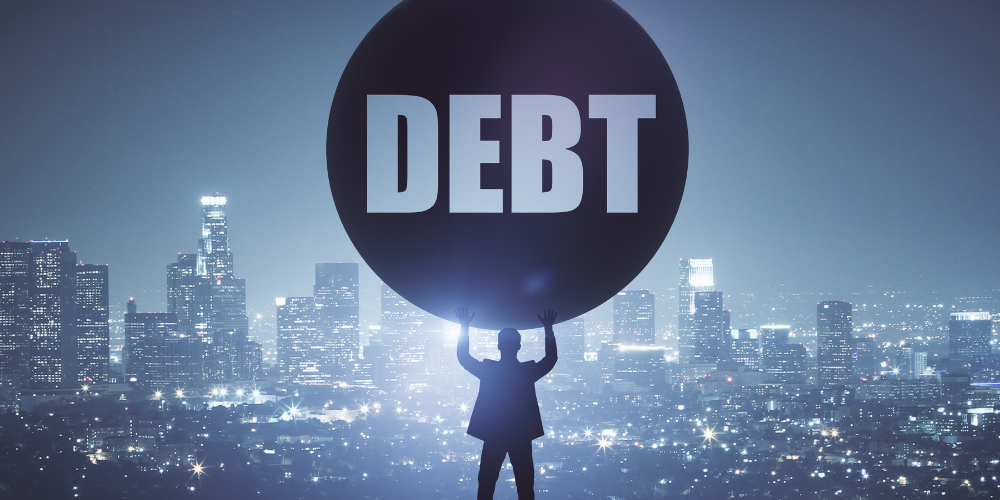
Debt can feel like an endless burden, dragging down your financial health, peace of mind, and long-term goals. For millions of Americans, managing debt is not just about repaying what’s owed—it’s about regaining control over their lives. If you’re struggling with mounting credit card balances, personal loans, or medical bills, you’re not alone—and there is a way forward.
Debt management programs (DMPs) are structured repayment plans designed to help you get out of debt faster, more affordably, and with professional support. But not all programs are created equal. Some are lifesavers, while others can deepen your financial struggles.
In this comprehensive guide by Gregorious ETH, we explore the best debt management programs that actually work, break down how they function, and help you choose the right one to achieve your debt-free dreams.
Understanding Debt Management Programs – What Are They and How Do They Work?
Key Points:
- Definition of a Debt Management Program (DMP)
- Core features of a DMP: budgeting, repayment plans, creditor negotiations
- Key players: Nonprofit credit counseling agencies vs. for-profit companies
- Difference between DMPs and debt settlement or bankruptcy
Content:
A Debt Management Program (DMP) is a structured plan where a credit counseling agency works with your creditors to reduce interest rates and consolidate your payments into one monthly bill. Unlike debt settlement (which often involves stopping payments and negotiating down the total balance), a DMP focuses on full repayment—just on better terms.
These programs usually last 3–5 years and are best for people overwhelmed by high-interest unsecured debts but who still have steady income. The agency collects one monthly payment from you and distributes it to creditors, often after negotiating lower interest rates or waived fees.
Signs You Need a Debt Management Program – Is It Time to Seek Help?
Key Points:
- Common indicators of overwhelming debt
- Emotional and psychological signs of financial stress
- When minimum payments aren’t enough
- When DIY debt payoff strategies fail
Content:
If you’re juggling multiple credit card payments, missing due dates, or using new credit to pay off old debt, it may be time to consider a DMP. Other red flags include:
- Paying only the minimum balance
- Seeing no reduction in principal despite regular payments
- Experiencing stress, anxiety, or sleepless nights over your finances
- Getting collection calls or default notices
A DMP isn’t for everyone—but if your debt is manageable in the long term and you’re ready for structure and discipline, it could be your lifeline.
Step-by-Step: How to Enroll in a Debt Management Program
Key Points:
- Initial consultation and financial assessment
- Creating a tailored repayment plan
- Negotiation with creditors
- Making monthly payments through the agency
Content:
Here’s how a typical DMP enrollment process works:
- Free Credit Counseling Session
- Review your income, expenses, debts, and goals
- Determine if a DMP is the right fit
- Enrollment
- You’ll sign an agreement outlining the terms
- A one-time setup fee may apply
- Creditor Negotiations
- Lower interest rates, eliminate late fees
- Consolidate into one affordable monthly payment
- Monthly Payments Begin
- You pay the agency, and they pay your creditors
- Monitor your progress monthly
- Graduation
- After 3–5 years, you’ll be debt-free and credit-educated
Benefits and Drawbacks of Debt Management Programs
Key Points:
- Advantages: lower interest, simplified payments, faster payoff
- Credit score impact: short-term dip, long-term gain
- Potential downsides: limited to unsecured debts, must close credit cards
- Not suitable for everyone
Content:
Pros:
- Reduced interest rates (sometimes from 20%+ to below 10%)
- Waived fees and penalties
- Single monthly payment
- Structured support and financial education
Cons:
- Must typically close all credit cards (can impact credit score)
- Doesn’t cover secured debts (mortgage, car loans)
- Requires steady income
- Missed payments may remove you from the program
Credit Impact:
Initially, your credit score may dip due to closed accounts. But over time, consistent payments and debt reduction improve your score significantly.
How to Stay Debt-Free After Completing a DMP
Key Points:
- Rebuilding credit the right way
- Budgeting and emergency savings
- Smart use of credit cards (if at all)
- Long-term financial habits to maintain
Content:
Completing a DMP is a milestone—but staying debt-free requires discipline. Start by:
- Rebuilding Credit: Apply for a secured credit card or small loan to demonstrate responsible usage.
- Budgeting: Stick to the budget that helped you through your DMP. Track income and expenses monthly.
- Savings: Build an emergency fund with 3–6 months of living expenses to avoid future debt.
Continued Learning: Take advantage of free resources from your credit counseling agency.
Conclusion
Debt doesn’t define you—your actions do. With the right tools, support, and mindset, you can conquer debt and build a life of financial stability and freedom. The best debt management programs offer more than just a payment plan—they offer education, empowerment, and hope.
At Gregorious ETH, we believe in guiding individuals toward smarter financial decisions with real, effective solutions. Whether you’re drowning in credit card bills or just looking to get ahead, a well-chosen DMP could be your first step to achieving the debt-free dreams you deserve.